

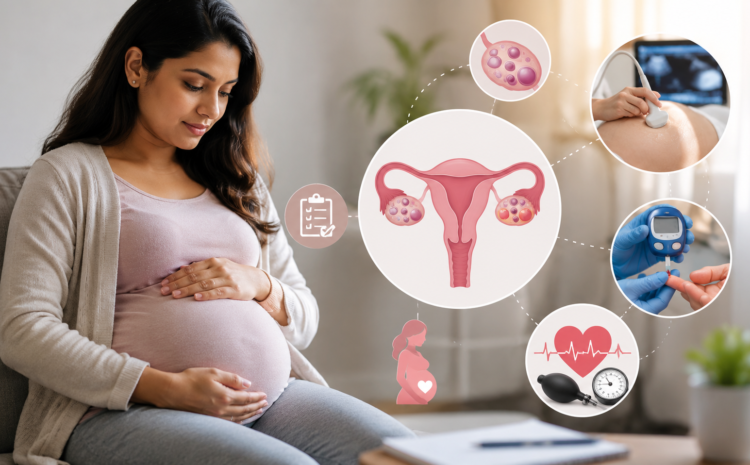
For many women with PCOS, a positive pregnancy test feels like the finish line after months or years of uncertainty. But pregnancy with PCOS opens a new chapter — one that requires attention, preparation, and the right medical support at every stage. PCOS introduces a set of pregnancy-related considerations that go beyond standard prenatal care: elevated risks for gestational diabetes, blood pressure complications, and early pregnancy loss mean that your journey benefits from closer monitoring and a more specialized team. That is not a reason for fear — it is a reason to be informed. Thousands of women with PCOS have healthy pregnancies and healthy babies every year, and this guide is here to walk you through exactly what to expect and how to navigate it with confidence.
What Is a High-Risk Pregnancy — And Does PCOS Automatically Make You One?
A high-risk pregnancy is one in which medical factors — maternal, fetal, or both — increase the likelihood of complications before, during, or after delivery. PCOS does not automatically classify every pregnancy as high-risk, but it does introduce biological factors that raise the probability of certain complications enough to warrant closer surveillance and, in many cases, specialist oversight.
Here is what determines your actual risk level:
- The clinical definition of a high-risk pregnancy refers to any pregnancy in which the health of the mother, the baby, or both is more likely to be compromised than in a typical pregnancy, requiring additional monitoring and often multidisciplinary care.
- PCOS is a contributing risk factor, not an automatic label — a young woman with mild PCOS, no insulin resistance, and no prior pregnancy complications may have a straightforward pregnancy, while a woman with severe hormonal imbalance, obesity, and pre-diabetes faces meaningfully higher risks.
- Insulin resistance and hormonal imbalance, both hallmarks of PCOS, are the biological mechanisms that drive most of the pregnancy complications associated with the condition — elevated androgens, disrupted progesterone production, and impaired blood sugar regulation all affect how the body supports a growing pregnancy.
- Pre-existing PCOS severity — including whether you have unmanaged insulin resistance, a history of miscarriage, thyroid dysfunction, or metabolic syndrome — directly shapes your pregnancy risk profile and should be discussed honestly with your doctor before conception if possible.
- Every PCOS pregnancy deserves individual assessment by a maternal-fetal medicine (MFM) specialist or high-risk OB-GYN, because risk is not uniform across all women with this diagnosis — a personalized evaluation is far more useful than a generic classification.
Key Pregnancy Complications Associated With PCOS
PCOS creates a hormonal and metabolic environment that makes certain pregnancy complications more likely than in the general population. Understanding why each complication occurs is the first step toward preventing or managing it effectively.
- Gestational diabetes — a form of high blood sugar that develops during pregnancy — is significantly more common in women with PCOS because insulin resistance, often pre-existing before conception, is amplified by the metabolic demands of pregnancy; unmanaged, it increases the risk of a large baby, difficult delivery, and newborn blood sugar problems.
- Preeclampsia — a potentially serious condition involving high blood pressure and signs of organ stress, typically developing after 20 weeks — occurs at higher rates in PCOS pregnancies, likely because of underlying metabolic dysfunction and endothelial (blood vessel lining) abnormalities linked to chronic insulin resistance.
- Miscarriage risk is elevated in PCOS, particularly in the first trimester, due to a combination of elevated androgen levels, luteal phase defects (insufficient progesterone production after ovulation), and insulin dysregulation — all of which can impair successful implantation and early embryonic development.
- Preterm birth — delivery before 37 weeks — is somewhat more common in PCOS pregnancies, with inflammatory mechanisms and hormonal abnormalities believed to contribute to earlier-than-expected labor onset.
- Cesarean delivery is more likely in PCOS pregnancies partly because gestational diabetes can lead to fetal macrosomia (a larger-than-normal baby), which increases the probability of labor complications and surgical delivery.
- Neonatal complications including low birth weight, admission to the neonatal intensive care unit (NICU), and newborn hypoglycemia (low blood sugar) are more common in babies born to mothers with gestational diabetes PCOS — all of which are closely monitored in well-managed high-risk pregnancies.
First Trimester: What to Expect and What to Watch
The first trimester sets the foundation for everything that follows, and for women with PCOS, it is a period of both heightened hope and heightened vigilance. Establishing care early — before symptoms emerge — gives you and your medical team the best possible starting position.
- An early ultrasound at 6 to 8 weeks confirms that the pregnancy is developing in the uterus rather than the fallopian tube, detects a heartbeat, and establishes an accurate gestational age that guides all future monitoring.
- Progesterone supplementation is often prescribed in the first trimester for women with PCOS, because low progesterone from luteal phase defects is a significant contributor to early miscarriage; your doctor will monitor your levels and adjust support accordingly.
- Metformin, which many women with PCOS take for insulin resistance, is sometimes continued into the first trimester and beyond under medical supervision — emerging evidence suggests it may reduce miscarriage rates and the risk of gestational diabetes in PCOS pregnancies, though the decision is always individualized.
- First trimester blood panels should include HbA1c (a measure of average blood sugar over three months), thyroid function tests, and a full hormonal profile, as thyroid dysfunction is more common in PCOS and can affect fetal neurological development if unmanaged.
- Establishing care with a maternal-fetal medicine specialist or high-risk OB-GYN in the first trimester — rather than waiting for problems to emerge — gives you access to the level of monitoring and expertise that PCOS prenatal care genuinely requires.
Second Trimester: Monitoring Intensifies
The second trimester often brings physical relief as nausea eases, but for women with PCOS, it is also when critical screening windows open and monitoring becomes more structured.
- The anatomy scan at 18 to 20 weeks provides a detailed assessment of fetal development and organ formation, and also offers an updated view of fetal growth that helps identify any early signs of growth restriction or macrosomia.
- The glucose tolerance test — typically performed between 24 and 28 weeks, though often recommended earlier for women with PCOS — screens for gestational diabetes and should be taken seriously, as early detection dramatically improves outcomes for both mother and baby.
- Blood pressure monitoring at every visit is essential for catching the early warning signs of preeclampsia, which requires immediate medical management to prevent serious complications.
- Metformin continuation into the second trimester may be recommended depending on your glucose levels and insulin resistance; any medication adjustments should be made with your OB-GYN and endocrinologist working in concert.
- Mental health check-ins are a legitimate and important part of second trimester care — the anxiety of managing a closely monitored pregnancy, particularly after a difficult conception journey, is real, and acknowledging it with your care team opens the door to appropriate support.
Third Trimester: Preparing for Delivery
The third trimester shifts focus toward delivery preparation and intensive fetal monitoring, with the frequency of appointments increasing as your due date approaches.
- Non-stress tests — simple, non-invasive monitoring sessions that track your baby’s heart rate and movement — are often introduced in the third trimester for PCOS pregnancies to ensure the baby is thriving and responding normally.
- Fetal growth scans every 4 weeks help track whether your baby is growing at a healthy rate, with particular attention to signs of macrosomia in women with gestational diabetes and growth restriction in those with preeclampsia.
- Birth plan discussions should address the realistic possibility of a C-section openly and without stigma — being mentally and practically prepared for surgical delivery while also advocating for vaginal birth when safely possible is a balanced and empowering approach.
- Breastfeeding preparation deserves attention because PCOS can affect milk supply due to hormonal imbalances — connecting with a lactation consultant before delivery, understanding colostrum and early feeding, and setting realistic expectations all reduce postpartum frustration.
- Postpartum PCOS planning should begin before delivery: knowing that hormonal shifts after birth can trigger a PCOS flare-up, understanding when to resume medications, and scheduling your six-week review before you leave the hospital ensures continuity of care through a vulnerable transition.
Managing PCOS During Pregnancy: Practical Strategies
Nutrition and Blood Sugar Control
Managing blood sugar through diet is one of the most impactful things you can do throughout a PCOS and pregnancy journey, and the principles are consistent from the first trimester to delivery.
- A low-glycemic diet — prioritizing whole grains, legumes, vegetables, lean proteins, and healthy fats over refined carbohydrates and sugary foods — keeps blood sugar stable and reduces the risk of gestational diabetes progressing to insulin dependence.
- Meal timing and portion management matter as much as food choices; eating smaller, balanced meals every three to four hours prevents the blood sugar spikes and crashes that are particularly problematic in insulin-resistant pregnancies.
- Working with a registered dietitian who specializes in gestational diabetes and PCOS is one of the highest-value investments you can make in your pregnancy — personalized nutrition guidance significantly outperforms general dietary advice in managing pregnancy complications PCOS.
Safe Exercise During a PCOS Pregnancy
Movement is genuinely therapeutic during a PCOS pregnancy, not merely a wellness recommendation, and the evidence supports its role in reducing complication risk.
- Prenatal yoga, walking, and swimming are well-tolerated throughout pregnancy, improve insulin sensitivity, support healthy weight gain, reduce cortisol, and have specific benefits for blood pressure management.
- Exercise should be modified by trimester — high-impact and supine exercises are typically avoided after the first trimester, and any activity that causes pain, dizziness, or breathlessness should be stopped and discussed with your provider.
- Regular movement reduces the risk of gestational diabetes by improving how your cells respond to insulin, making it a direct intervention against one of the most significant PCOS pregnancy complications rather than simply a general health habit.
Medication Safety and Medical Coordination
Managing PCOS during pregnancy from a medication perspective requires ongoing communication between multiple providers.
- Metformin and progesterone supplements are the most commonly continued PCOS medications during pregnancy; all others — including spironolactone and some hormonal therapies — must be stopped before or immediately upon confirming pregnancy as they carry fetal risks.
- A coordinated care team consisting of your OB-GYN, endocrinologist, and registered dietitian working from a shared plan is the standard of care for high-risk OB-GYN PCOS management — fragmented care between providers who don’t communicate is one of the most preventable sources of risk.
- Lab work every four to six weeks during the second and third trimesters — including glucose, HbA1c, thyroid function, and blood pressure trends — allows your team to adjust management proactively rather than reactively.
Emotional and Mental Health During a PCOS Pregnancy
The emotional dimension of a PCOS pregnancy is as real as the clinical one, and it deserves the same level of attention and care.
- Anxiety about miscarriage and complications is extremely common in women who conceived after a difficult journey, and it can color the entire pregnancy experience — acknowledging this with your medical team rather than minimizing it opens the door to meaningful support.
- The emotional weight of frequent monitoring appointments — while medically necessary — can make pregnancy feel more like a medical project than a joyful experience, and processing that tension with a therapist or counselor is a valid and valuable use of your energy.
- Building a support system that includes your partner, trusted family members, and PCOS peer communities gives you people who understand both the clinical complexity and the emotional reality of what you are navigating.
- Mindfulness practices, including breathing exercises, prenatal meditation, and gentle body awareness, have measurable effects on cortisol levels and anxiety — which in turn benefits your hormonal environment and your baby’s development.
After Delivery: PCOS Postpartum Considerations
Delivery is not the end of your PCOS journey — the postpartum period brings its own set of hormonal shifts that require awareness and planning.
- PCOS symptoms frequently resurge after delivery as the hormonal protection of pregnancy lifts — irregular cycles, acne, hair shedding, and insulin resistance may return or intensify in the weeks and months after birth.
- Postpartum hormonal crashes overlap significantly with postpartum depression, and women with PCOS are at higher risk for both — if you are experiencing persistent low mood, anxiety, or exhaustion beyond normal new-parent fatigue, please reach out to your provider promptly.
- Breastfeeding with PCOS can be complicated by low milk supply linked to hormonal imbalances — working with a lactation consultant and knowing that formula supplementation is a valid and caring choice can relieve enormous pressure.
- Resuming PCOS medications — particularly metformin, and eventually hormonal management if not breastfeeding — should be discussed at your six-week postpartum review, which should ideally be with a provider who is fluent in both PCOS and obstetrics.
- Postpartum thyroiditis — temporary thyroid dysfunction after delivery — is more common in women with PCOS and autoimmune tendencies; thyroid function should be checked at your postpartum review, particularly if you are experiencing unusual fatigue, mood changes, or weight fluctuations.
Building Your High-Risk Pregnancy Care Team
The quality of your PCOS prenatal care depends significantly on who is on your team and how well they communicate with each other.
- The essential specialists for a PCOS pregnancy include a maternal-fetal medicine (MFM) specialist or high-risk OB-GYN, an endocrinologist for metabolic management, a registered dietitian experienced in gestational diabetes, and a mental health professional familiar with perinatal anxiety.
- At your first prenatal visit, ask specifically: Are you familiar with managing PCOS in pregnancy? Will I be referred to an MFM specialist? How will you screen me for gestational diabetes and preeclampsia? What is your protocol for monitoring fetal growth?
- High-risk prenatal appointments differ from standard ones in frequency (every two to four weeks rather than monthly), the range of tests ordered, and the level of coordination between providers — you should expect more appointments and more information, not less.
- Advocating for yourself in settings that may underestimate PCOS risks is both your right and your responsibility — if your concerns are being dismissed or your monitoring feels insufficient, seeking a second opinion from a specialist in PCOS fertility and pregnancy is entirely appropriate.
Conclusion
A PCOS diagnosis does not write the story of your pregnancy — you do, with the support of a knowledgeable medical team and a clear-eyed understanding of what to watch for. The complications associated with PCOS pregnancies are real, but they are also largely manageable when identified early and addressed proactively. You have already shown extraordinary resilience in getting to this point. What comes next requires the same courage, the same self-advocacy, and the same willingness to ask questions and demand comprehensive care. If you are pregnant with PCOS or planning to conceive, we encourage you to consult a high-risk OB-GYN or maternal-fetal medicine specialist — because you and your baby deserve a care plan as individual as you are.
Frequently Asked Questions
Q: Does having PCOS mean my pregnancy will definitely be high-risk?
Not automatically — but PCOS does introduce risk factors that warrant closer monitoring than a standard pregnancy. Whether your pregnancy is formally classified as high-risk depends on your overall health profile, including whether you have insulin resistance, a history of miscarriage, obesity, or metabolic syndrome. Many women with mild PCOS and no complicating factors have uncomplicated pregnancies with standard care. The most important step is an individual assessment by your OB-GYN or an MFM specialist at the start of pregnancy, so that your specific risk level — rather than a generic PCOS label — guides your care plan.
Q: Can I have a natural vaginal delivery if I have PCOS?
Yes — many women with PCOS deliver vaginally without complications. The higher rate of C-section in PCOS pregnancies is largely driven by gestational diabetes leading to fetal macrosomia, or by labor complications that arise during delivery, rather than by PCOS itself making vaginal birth impossible. If your blood sugar is well-managed, your baby is growing appropriately, and you have no other contraindications, a vaginal delivery is entirely achievable. Discuss your birth preferences openly with your OB-GYN, and ensure you have a clear understanding of the circumstances under which a C-section would be recommended, so you can make informed decisions if that situation arises.
Q: Should I continue taking metformin during pregnancy?
This is a decision that should be made with your doctor based on your individual health profile. For women with PCOS who have significant insulin resistance or have experienced prior miscarriages, many specialists recommend continuing metformin through at least the first trimester and sometimes throughout the pregnancy, as emerging evidence suggests it may reduce miscarriage risk and the likelihood of developing gestational diabetes. For others, it may be discontinued early. Metformin is not approved by all regulatory bodies for use in pregnancy, but it has a substantial body of safety data — your provider will weigh the evidence against your specific circumstances.
Q: How often will I need prenatal appointments if I have PCOS?
More frequently than in a standard pregnancy, though the exact schedule depends on your risk profile and how your pregnancy progresses. In the first trimester, you may be seen every two to four weeks. In the second trimester, visits are typically every two to three weeks, with additional appointments for glucose testing, fetal growth scans, and blood pressure monitoring. By the third trimester, visits often increase to weekly, with non-stress tests and growth scans added depending on how your pregnancy is tracking. The frequency may feel intensive, but each visit serves a specific monitoring purpose and gives your team the information they need to intervene early if anything changes.
Q: Can PCOS cause birth defects or affect my baby’s long-term health?
PCOS itself is not directly associated with structural birth defects. However, conditions that can develop during a PCOS pregnancy — particularly unmanaged gestational diabetes — do carry associated risks for the baby, including macrosomia, newborn hypoglycemia, and a modestly elevated risk of the baby developing obesity or insulin resistance later in life. These risks are significantly reduced with well-controlled blood sugar throughout pregnancy. Some research has also explored whether children born to mothers with PCOS show hormonal differences, but current evidence does not suggest any significant long-term health burden attributable to PCOS itself rather than to associated metabolic conditions.