

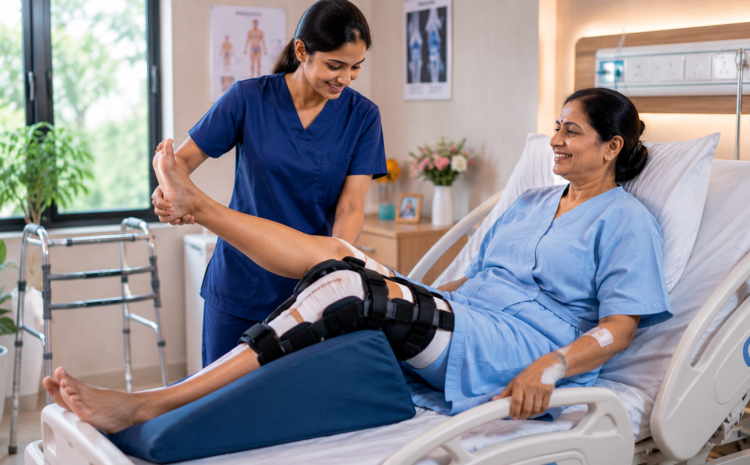
Knee replacement surgery is a major milestone — and so is what comes after it. If you have just had the procedure or are preparing for one, it is completely normal to feel a mix of relief, anxiety, and uncertainty about the road ahead. The good news is that knee replacement recovery, while demanding, is entirely manageable when you know what to expect and follow a structured plan. Thousands of patients successfully return to walking, climbing stairs, and enjoying an active life within weeks of surgery. This day-by-day guide walks you through every phase of your knee surgery recovery timeline, so you and your caregivers can approach each stage with confidence and clarity.
Day 1–3: Hospital Recovery
The first three days after knee surgery are spent in hospital, where your care team focuses on stabilising your pain, preventing complications, and — perhaps surprisingly — getting you moving. Early movement is not optional; it is one of the most important factors in a successful total knee replacement aftercare outcome.
- Pain is expected and will be actively managed. Your team will use a combination of intravenous medications, nerve blocks, and oral analgesics to keep discomfort at a manageable level. Do not wait until pain becomes severe before asking for medication — staying ahead of the pain cycle is the clinical goal.
- Physical therapy begins within 24 hours of surgery. A physiotherapist will visit your bedside and guide you through your first standing attempt, supervised steps with a walker, and gentle ankle pumping exercises to promote circulation and reduce clot risk.
- Movement restrictions are specific and important to follow. You will be instructed not to rotate the knee inward, cross your legs, or flex the joint beyond the angle your surgeon specifies in these early days. These limits protect the new implant while the surrounding tissue heals.
- A urinary catheter is standard during surgery and is typically removed within the first 24 to 48 hours. A surgical drain, if placed, is usually taken out within the same window once drainage volume drops to a safe level.
- Nursing staff will monitor for early warning signs including blood clots, infection, and excessive swelling. You will likely wear compression stockings and may receive blood-thinning injections — both are routine parts of post-operative care, not signs of complications.
Day 4–7: Going Home
For most patients, discharge happens between day three and day five. Going home is an exciting step, but the transition requires preparation. Your home environment plays a significant role in the safety and pace of your early knee replacement recovery.
- Prepare your home before surgery day. Set up a recovery station on the ground floor if possible, with a firm chair with armrests, a raised toilet seat, a shower stool, and non-slip mats in the bathroom. Remove rugs and loose cables that could cause falls.
- Ice and elevation are your most effective tools for swelling. Apply an ice pack wrapped in a cloth for 20 minutes every two to three hours, and keep your leg elevated above heart level when resting — this significantly reduces inflammation and discomfort in the first week.
- Continue using your walker or crutches exactly as instructed. Do not attempt to walk unaided because you feel stable — the muscles and ligaments surrounding the new joint need time to rebuild strength before they can safely support your full weight.
- Wound care requires consistent attention. Keep the incision site clean and dry, and follow your surgeon’s specific instructions about dressing changes. Do not submerge the wound in water, and watch for any increasing redness, warmth, or discharge around the site.
- Sleep on your back with your leg slightly elevated on a folded pillow. Avoid placing a pillow directly behind the knee, as this can encourage a flexion contracture — a tightening of the joint that makes it harder to straighten the leg fully over time.
- Take your medications on schedule, not just when pain peaks. Anti-inflammatories, blood thinners, and prescribed analgesics are most effective when taken consistently. Keep a written medication log to avoid missed doses or accidental doubling.
Week 2: Building Strength
By the second week of your knee surgery recovery timeline, the initial post-operative fog begins to lift. Pain levels typically reduce noticeably, and you will start to feel the first real signs of progress — though this is also the phase when many patients push too hard, too fast.
- Outpatient physiotherapy usually begins in week two. Sessions typically run two to three times per week and focus on gradually improving your range of motion, reducing stiffness, and beginning targeted muscle strengthening around the knee joint.
- Safe exercises at this stage include straight leg raises, heel slides, seated knee bends to the range your therapist prescribes, and short supervised walks within the home with your walking aid — each of these builds strength without stressing the implant.
- Do not attempt stairs independently, kneel on the surgical knee, or sit in low chairs that cause your knee to flex beyond 90 degrees — all of these exceed the joint’s current safe range and risk disrupting early tissue healing.
- Warning signs that require an immediate call to your surgeon include a sudden spike in pain not relieved by medication, the calf of the operated leg becoming red, warm, or swollen (a potential sign of deep vein thrombosis), fever above 38°C, or wound discharge that is increasing in volume or has changed colour.
Week 3–6: Gaining Mobility
Weeks three through six mark the most visible progress phase of after knee surgery recovery. Patients often describe this period as the point where the effort finally begins to pay off — mobility improves steadily, and daily life starts to feel more achievable.
- Most patients transition from a walker to a single crutch or walking stick during this phase, guided by their physiotherapist’s assessment of strength and stability rather than by a fixed calendar date.
- Driving is not permitted until your surgeon explicitly clears you, which typically happens no earlier than six weeks post-surgery for right-knee patients, and sometimes later — your reaction time, pedal control, and ability to brake safely all need to be fully restored before you return to the road.
- Stair climbing practice becomes a formal part of physiotherapy during this phase. The standard teaching method is “good leg up first, bad leg down first” — a simple rule that protects the surgical knee from excessive loading on each step.
- Swelling is normal throughout this period and often peaks around week three before gradually subsiding. Continue icing and elevating the leg after activity sessions, and expect some degree of swelling to persist until the three-month mark.
- Nutrition actively supports healing. Prioritise adequate protein to aid tissue repair, vitamin C to support collagen production, and sufficient hydration to help manage inflammation. If your appetite remains poor, a brief consultation with a dietitian can be genuinely helpful.
Week 6–12: Full Recovery Mode
The six-to-twelve week phase of total knee replacement aftercare is where most patients experience a meaningful shift in their quality of life. The knee feels increasingly like your own, functional strength returns, and the mental weight of early recovery begins to ease.
- Most daily activities — including cooking, light housework, and short shopping trips — are fully achievable by week eight for the majority of patients who have followed their rehabilitation plan consistently.
- Low-impact exercise such as swimming and stationary cycling is typically introduced during this phase with physiotherapist approval. Both are excellent for building joint strength and cardiovascular fitness without placing excessive load on the healing knee.
- Your six-week follow-up appointment is a critical milestone. Bring a list of any concerns, unusual sensations, or activities you are unsure about — your surgeon will assess your range of motion, review X-rays, and confirm whether you are progressing within normal parameters.
- Mental health during recovery deserves as much attention as physical healing. It is genuinely common to experience frustration, low mood, or anxiety during the slower phases of knee replacement recovery — speak to your GP or a counsellor if these feelings persist, as psychological wellbeing directly influences physical outcomes.
- Set realistic expectations about complete recovery. Full restoration of strength, comfort, and confidence in the knee typically takes nine to twelve months — patients who understand this from the outset report higher satisfaction with their overall surgical outcome.
Conclusion
Recovering from knee replacement surgery is a journey that asks a great deal of you — patience, consistency, and trust in the process. But every controlled step, every physiotherapy session, and every morning you choose the right foods and the right rest is an investment in a knee that works the way it should. The knee surgery recovery timeline looks different for every person, and that is completely normal. Focus on your own progress, celebrate small wins, and do not compare your recovery to anyone else’s. You have had a major procedure, and you are doing the hard work. Talk to your surgeon or physiotherapist for a personalised recovery plan built around your specific implant, fitness level, and lifestyle goals — because your best recovery starts with the right guidance.
Frequently Asked Questions
Q: How long does full knee replacement recovery take?
Most patients regain comfortable daily function within six to twelve weeks, but full recovery — including the return of complete strength, flexibility, and confidence in the knee — typically takes between nine and twelve months. Patients who follow their physiotherapy plan consistently and attend all follow-up appointments generally achieve the best long-term outcomes.
Q: When can I drive again after knee replacement surgery?
For right-knee replacements, most surgeons clear patients to drive no earlier than six weeks post-surgery, once they can demonstrate full control of pedal pressure and emergency braking. Left-knee patients in automatic vehicles may be cleared slightly earlier, but this decision is always made by your surgeon based on your individual progress — never assume you are safe to drive until you have explicit medical clearance.
Q: Is pain after knee replacement surgery normal?
Yes — a significant degree of pain and discomfort in the first two to four weeks is a completely expected part of the healing process. Pain should gradually and consistently decrease as the weeks pass. Pain that suddenly worsens after a period of improvement, or pain accompanied by swelling, redness, or fever, is not normal and should be reported to your surgical team immediately.
Q: Which exercises should I avoid after knee replacement?
Avoid high-impact activities including running, jumping, contact sports, and skiing until your surgeon formally clears you — typically not before the twelve-month mark. In the early recovery weeks, also avoid deep squats, kneeling directly on the surgical knee, and any exercise that forces the joint beyond its prescribed range of motion. Your physiotherapist will guide you through a safe, progressive exercise programme tailored to your recovery stage.
Q: When should I call the doctor after knee surgery?
Contact your surgical team without delay if you experience a sudden increase in pain not controlled by your prescribed medication, fever above 38°C, significant new swelling in the calf or thigh, wound discharge that is increasing or has become discoloured, chest pain, or shortness of breath. These symptoms can indicate infection, deep vein thrombosis, or pulmonary embolism — all of which require urgent medical assessment.
Q: Can I sleep on my side after knee replacement surgery?
During the first four to six weeks, sleeping on your back with your leg in a neutral, slightly elevated position is strongly preferred. Side-sleeping is generally permitted once your surgeon or physiotherapist confirms that your range of motion and soft tissue healing are sufficient — typically around the six-week mark. When you do transition to side-sleeping, place a pillow between your knees to prevent the surgical leg from rotating inward and putting unnecessary stress on the joint.